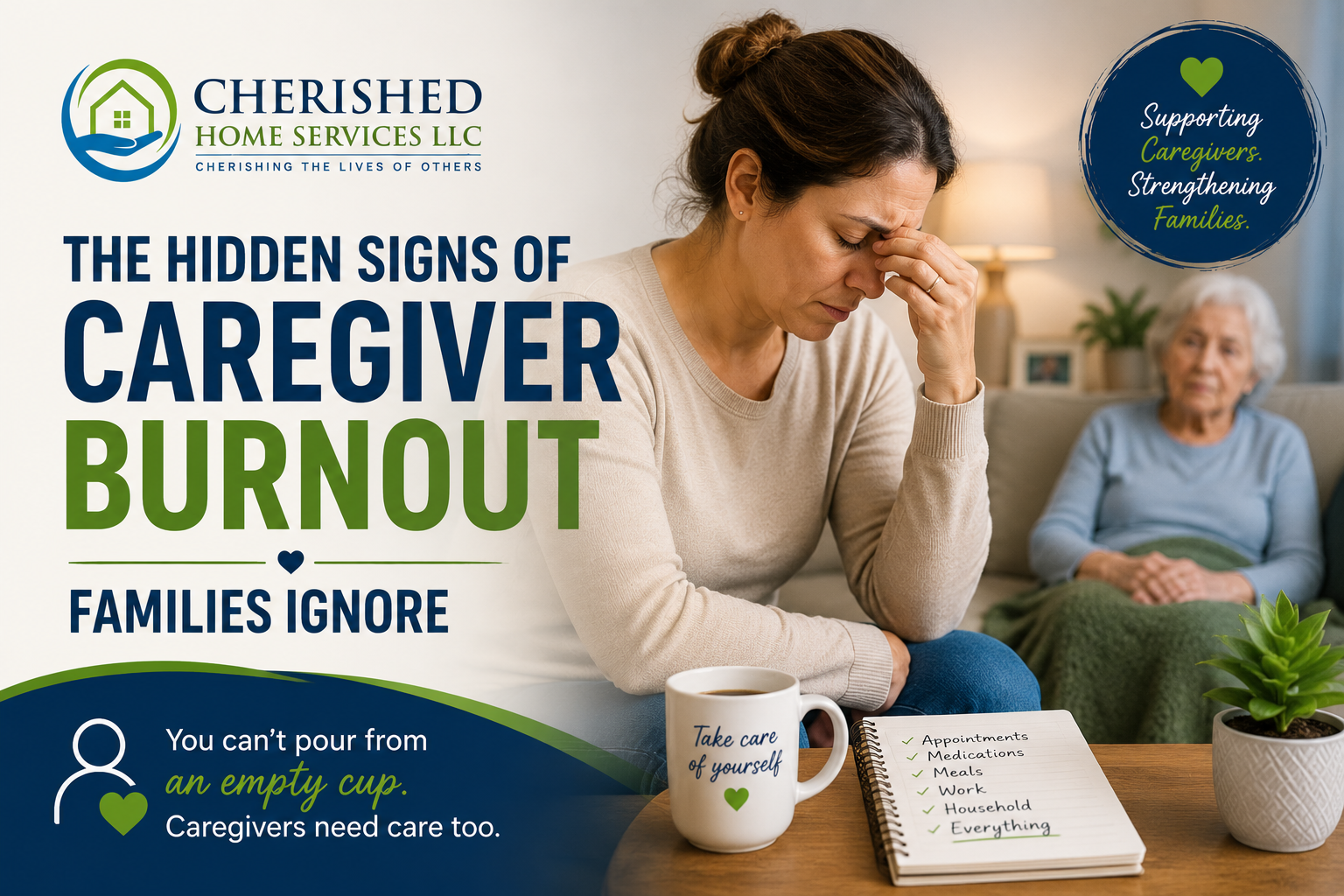
Caring for an aging parent or loved one is an act of love, but many family caregivers quietly carry overwhelming emotional, mental, and physical stress every single day.
At first, families often believe they can manage everything alone. Over time, exhaustion builds slowly and many people fail to recognize the warning signs until burnout begins affecting their health, relationships, and ability to provide care safely.
Understanding caregiver burnout is essential for protecting both seniors and the people who care for them.
What Is Caregiver Burnout?
Caregiver burnout is a state of emotional, physical, and mental exhaustion caused by the ongoing stress of caring for another person.
Family caregivers often juggle:
- Full-time jobs
- Parenting responsibilities
- Household duties
- Financial stress
- Medical appointments
- Emotional pressure
Without proper support, the constant demands can become overwhelming.
Why Caregiver Burnout Is Becoming More Common
In 2026, more families are choosing aging in place and home care services instead of nursing homes or assisted living facilities.
While this allows seniors to remain comfortable at home, it also means many family members become unpaid caregivers often without training, rest, or emotional support.
The result is rising stress and burnout among caregivers nationwide.
Hidden Signs of Caregiver Burnout
Burnout does not always appear suddenly. Many signs develop slowly and are often ignored.
1. Constant Exhaustion
Feeling tired occasionally is normal. But persistent exhaustion, even after resting, may be a serious warning sign.
Caregivers often experience:
- Low energy
- Trouble sleeping
- Fatigue throughout the day
- Physical weakness
Over time, chronic exhaustion affects both mental and physical health.
2. Increased Irritability or Frustration
Burnout can make even small situations feel overwhelming.
Caregivers may notice:
- Short temper
- Increased stress
- Emotional outbursts
- Feelings of resentment
- Difficulty staying patient
This emotional strain is more common than many families realize.
3. Withdrawing from Friends and Social Activities
Many caregivers slowly stop prioritizing themselves.
They may avoid:
- Social gatherings
- Phone calls
- Hobbies
- Exercise
- Personal time
Isolation can increase anxiety, stress, and depression.
4. Feeling Guilty All the Time
Many caregivers feel guilty no matter what they do.
They may believe:
- They are not doing enough
- Taking breaks is selfish
- Asking for help means failure
This mindset creates emotional exhaustion and unhealthy pressure.
5. Neglecting Personal Health
Burned-out caregivers often ignore their own health needs.
Common signs include:
- Skipping meals
- Missing doctor appointments
- Lack of sleep
- Increased stress eating
- Ignoring physical symptoms
A caregiver cannot effectively support someone else while neglecting themselves.
6. Feeling Emotionally Numb
Some caregivers begin feeling disconnected emotionally.
They may lose:
- Motivation
- Compassion
- Interest in activities
- Emotional energy
This emotional fatigue can seriously impact quality of care and personal well-being.
How Burnout Affects Seniors
Caregiver burnout does not only affect the caregiver. It can also impact seniors through:
- Increased tension at home
- Missed medications
- Emotional stress
- Reduced quality of care
- Safety concerns
Supporting caregivers ultimately protects seniors as well.
How Families Can Prevent Caregiver Burnout
Ask for Help Early
Many families wait too long before seeking support.
Even a few hours of assistance each week can make a major difference.
Share Responsibilities
Caregiving should not fall entirely on one person whenever possible.
Family members can help with:
- Transportation
- Meal preparation
- Appointments
- Check-in visits
- Household tasks
Prioritize Rest and Self-Care
Caregivers need:
- Sleep
- Exercise
- Healthy meals
- Emotional support
- Personal time
Self-care is not selfish it is necessary.
Consider Professional Home Care Support
Professional caregivers can help reduce daily pressure while providing compassionate assistance for seniors at home.
Services may include:
- Companion care
- Personal care
- Medication reminders
- Mobility assistance
- Meal preparation
- Respite care
At Cherished Home Services LLC, compassionate caregivers help families feel supported while ensuring seniors receive quality care in the comfort of home.
Final Thoughts
Caregiver burnout is real, common, and often ignored until families reach a breaking point.
Recognizing the signs early can help caregivers protect their own well-being while continuing to provide safe, compassionate support for their loved ones.
No family should feel like they must carry the entire burden alone.